
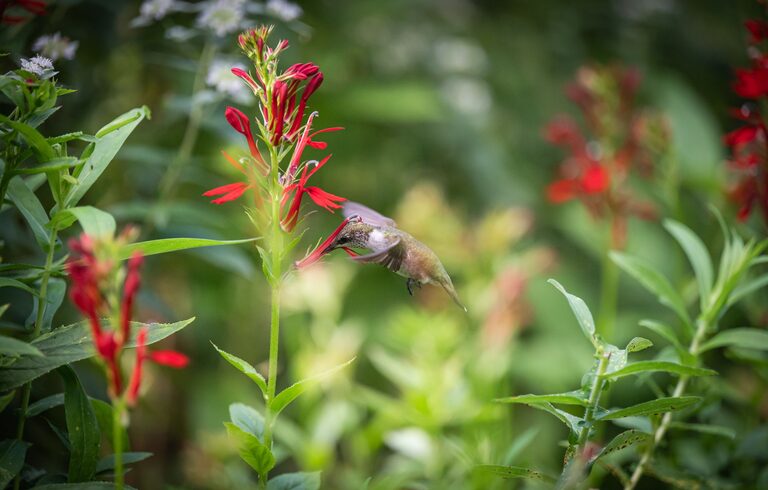
Creating a home garden that attracts wildlife not only enhances the natural charm of your outdoor space but also supports local ecosystems. From hummingbirds to bees, your garden can become a vibrant habitat that encourages a variety of creatures to visit and even take up residence.
In this post, we’ll explore practical tips and ideas to help you design an engaging garden that welcomes wildlife while ensuring your plants thrive.
Why Create a Wildlife-Friendly Garden?
A garden that supports wildlife improves biodiversity, helps pollinators, and creates a peaceful, lively environment. By attracting beneficial insects and birds, you can also naturally reduce garden pests without relying on chemicals. Wildlife gardens are both beautiful and eco-friendly spaces that contribute positively to your community.
Choose Native Plants
The Importance of Native Species
Native plants are adapted to your local climate and soil, making them easier to grow and maintain. More importantly, native plants provide familiar food and shelter for local wildlife.
What to Consider When Selecting Plants
– Research native wildflowers, shrubs, and trees suited to your region.
– Include a variety of plants that bloom at different times to provide food throughout the seasons.
– Focus on plants that produce nectar, pollen, seeds, or berries.
Provide Water Sources
Water is essential for wildlife. A small, clean water source will attract birds, butterflies, bees, and other animals.
Ideas for Water Features
– A shallow birdbath with stones for perching.
– A small pond or water garden with gentle edges.
– Recycled water dishes or saucers, ensuring fresh water daily.
Create Shelter and Nesting Areas
Wildlife needs safe spaces to rest, hide, and raise their young.
How to Offer Shelter
– Plant dense shrubs and thorny bushes.
– Build or buy birdhouses appropriate for local species.
– Leave some leaf litter or create log piles as ground cover for insects and small animals.
– Avoid overly tidy garden practices; some wildness is beneficial.
Grow a Pollinator-Friendly Garden
Pollinators like bees, butterflies, and hummingbirds are vital for a healthy garden.
Tips for Supporting Pollinators
– Incorporate brightly colored, fragrant flowers that are rich in nectar.
– Plant in clusters rather than scattered flowers to attract pollinators more easily.
– Avoid pesticides, especially during blooming season.
– Consider adding plants like lavender, coneflowers, milkweed, and bee balm.
Use Organic Gardening Methods
Chemical fertilizers and pesticides can harm wildlife.
Best Practices
– Use compost and natural fertilizers to nourish the soil.
– Employ companion planting to deter pests naturally.
– Encourage beneficial insects like ladybugs and praying mantises for pest control.
Provide Food Sources Year-Round
Ensure your garden offers food in different seasons to keep wildlife visiting.
Seasonal Planting Tips
– Early spring: crocuses, daffodils, and flowering trees.
– Summer: sunflowers, marigolds, and zinnias.
– Fall: asters, goldenrod, and late berry-producing shrubs.
– Winter: evergreens and seed-bearing plants like coneflowers.
Avoid Common Pitfalls
– Keep cats indoors or use deterrents to protect visiting wildlife.
– Avoid invasive plant species that can crowd out native plants.
– Do not use sticky traps or harmful pest controls.
Final Thoughts
Creating an engaging home garden that attracts wildlife is a rewarding way to connect with nature. By focusing on native plants, providing water and shelter, supporting pollinators, and gardening organically, you can build a lively, sustainable outdoor space. Enjoy watching the delightful visitors your garden will invite!